Description
The new program Heritage Mediator Kengo Fukui is here!
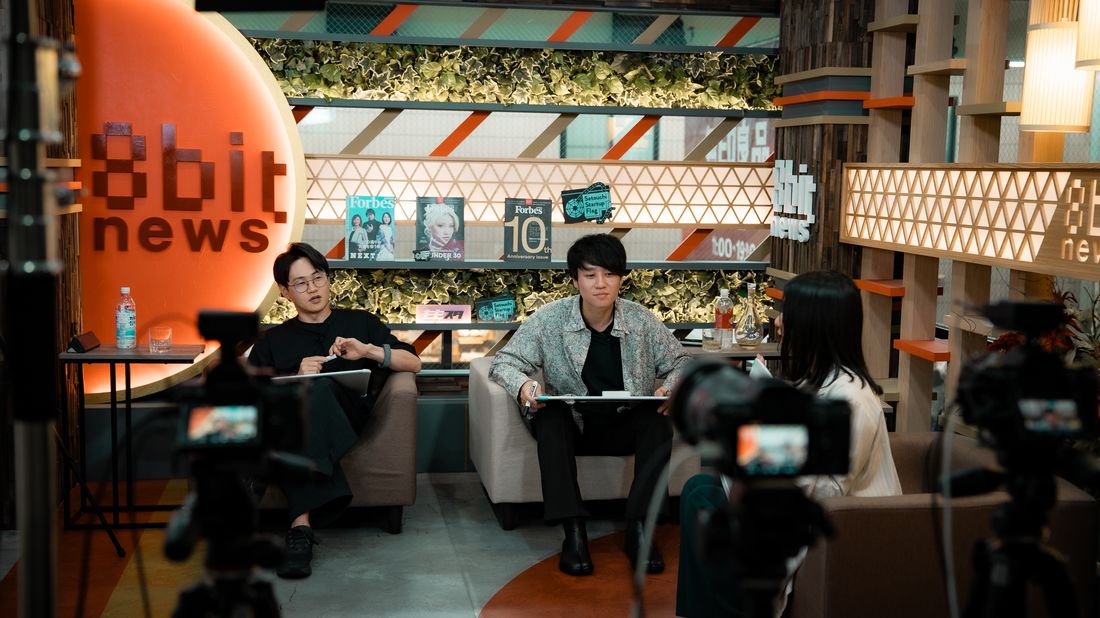
In this program, we bring you live coverage of news and events related to culture and the arts.
Let’s explore together how cultural events connect with the society we live in. Feel free to share your thoughts and comments!
Today’s episode is titled “Former Kagawa Prefectural Gymnasium (the ‘Ship Gymnasium’): How Can We Preserve Its Cultural Value?”
Completed in 1964, the former Kagawa Prefectural Gymnasium has long been affectionately known as the “Ship Gymnasium” because of its distinctive design.
Designed by renowned architect Kenzo Tange, the building has been at the center of an ongoing debate. Citing concerns such as aging infrastructure and earthquake resistance, Kagawa Prefecture announced plans to demolish it. Meanwhile, advocates who recognize its architectural and cultural significance have continued to call for its preservation and adaptive reuse.
Kagawa Prefecture has since outlined plans to document the building for future generations through 3D surveying, video recording, and other methods, capturing its physical form and the construction techniques used when it was built.
But what is the difference between preserving a building itself and preserving a record of it?
And what, exactly, is the “cultural value” that the former Kagawa Prefectural Gymnasium has contributed to the local community over the decades?
In this episode, we review the history of the debate and look back at the developments surrounding the former Kagawa Prefectural Gymnasium.
We also share footage from a direct interview with the committee working to revitalize the former Kagawa Prefectural Gymnasium.
What does it mean to “preserve a building”? Even if the building itself disappears, can its cultural value be passed on to future generations? And who decides what cultural value means, how those decisions are made, and what should be preserved?
Rather than treating the future of the former Kagawa Prefectural Gymnasium as a simple choice between demolition and preservation, this episode explores a broader question: How can we pass our cultural heritage on to the next generation?
Note: This episode reviews the developments based on information confirmed at the time of reporting.
About Kengo Fukui
Kengo Fukui is a Heritage Mediator.
Born in Shimane Prefecture, Japan, in 1998, he studied arts management and cultural policy at university and researched the sustainability of traditional performing arts. He works to open up culture and the arts to wider audiences through dialogue.
Become a Channel Member
Join this channel to access exclusive member benefits:
https://www.youtube.com/channel/UC86iqu-yHsb-BCjI3ArD9Rg/join
Subscribe to 8bitNews
https://www.youtube.com/c/8bitnewsasia
Thank you for watching!
On this YouTube channel, journalists and artist-activists work alongside citizens around the world, visiting communities and reporting from the field. We share footage that brings you closer to the realities of diverse places and the people who live there.
Please subscribe to our channel and join us in discovering stories from around the world.
About 8bitNews
Visit 8bitNews, our citizen journalism platform where anyone can contribute video news:
http://8bitnews.org
For interview requests, news tips, or business inquiries, please contact:
info@8bitnews.org
▶ Watch on YouTube:
https://www.youtube.com/watch?v=KLuVTWMLkvQ