Key Points
- Evacuation orders have been lifted in several areas of Fukushima, but the actual return rate of original residents remains extremely low.
- Local infrastructure, particularly medical services and commercial facilities, is struggling to recover, leaving returning elderly residents isolated.
- 8bitNews representative Jun Hori highlights the significant gap between government public relations regarding “reconstruction” and the lived reality of local citizens.
Full Transcript (English)
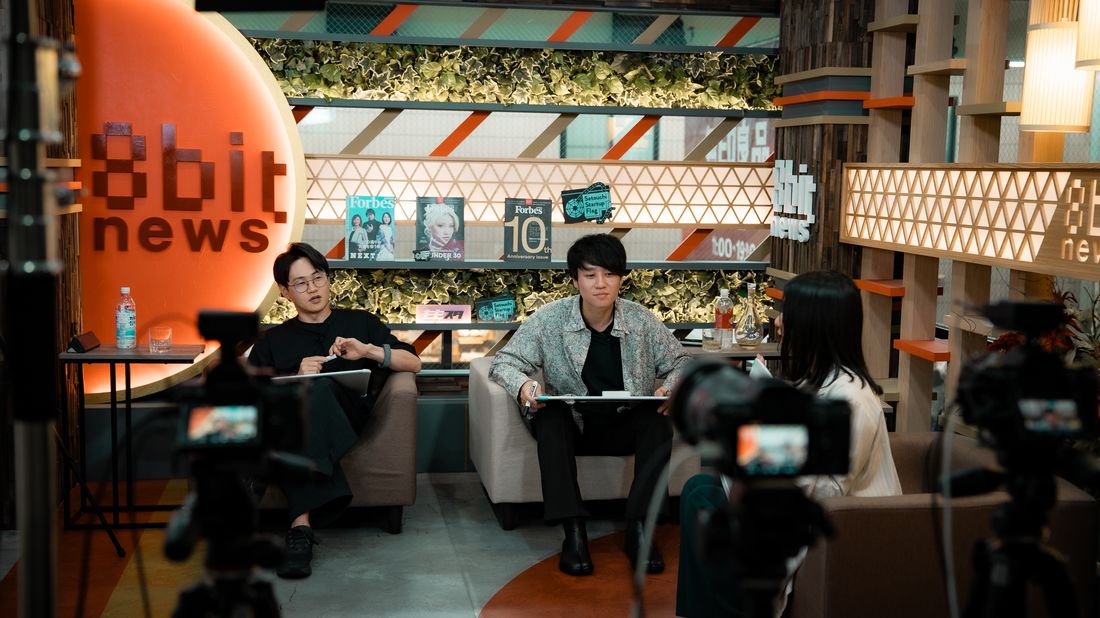
Host (Jun Hori): Hello, this is Jun Hori from 8bitNews. Today, we are reporting from Futaba Town in Fukushima Prefecture. While the government has partially lifted evacuation orders here, as you can see behind me, many residential areas remain untouched since the disaster on March 11, 2011. Today, we are speaking with Mr. Kenji Sato, a local resident who has recently returned to live here. Thank you for speaking with us today, Mr. Sato.
Guest (Kenji Sato): Thank you for coming all this way to hear our story.
Host (Jun Hori): The national government and local authorities have been heavily promoting the progress of reconstruction. What is the actual situation on the ground here in Futaba?
Guest (Kenji Sato): To be completely honest, it still feels like a ghost town. They have built a beautiful new town hall and some modern public housing units, but there are no supermarkets, no clinics, and almost no young people. Most of those who have chosen to return are elderly like myself. We have to drive for over thirty minutes just to buy basic groceries or to see a doctor. It is not a sustainable environment for daily life.
Host (Jun Hori): The government emphasizes that decontamination work is complete and that radiation levels are safe. Do the returning residents feel secure living here?
Guest (Kenji Sato): The radiation levels in the designated residential zones have indeed decreased. However, just a few meters away, in the surrounding forests and mountains, decontamination has not been carried out. We are constantly warned not to enter those areas. It is difficult to feel truly safe or at home when you are surrounded by barricades and warning signs every single day.
Host (Jun Hori): What do you believe is most urgently needed for the community right now?
Guest (Kenji Sato): We need honest communication. The government wants to present a picture of complete recovery to the world, but they are ignoring our daily struggles. We do not need symbolic, expensive infrastructure. We need medical facilities, local shops, and community spaces where people can actually gather and support one another.
Host (Jun Hori): Thank you very much, Mr. Sato, for sharing your perspective. We will continue to follow this story and amplify the voices of those who are often left out of the mainstream narrative. This has been Jun Hori reporting for 8bitNews.