Key Points
- Hosts Futaba Kamai and Mutsumi Kurobe discuss the concept of the “active bystander”—a third party who takes action when witnessing harassment or inappropriate behavior rather than remaining silent.
- Kamai shares her goal of intervening in ways that do not completely ruin the social atmosphere, preferring gentle questioning or light-hearted call-outs over aggressive confrontation.
- Kurobe explains her unique method of using facial expressions to signal discomfort, which can validate others’ feelings and subtly shift the room’s dynamic without needing immediate words.
- The hosts emphasize that there is no single “correct” way to intervene, encouraging viewers to find a style that fits their personality and comfort level.
Full Transcript (English)
Host (Kamai): Hello. I’m Kamai.
Host (Kurobe): And I’m Kurobe.
Kamai: Wait, let me pause. I forgot to start the timer.
Kurobe: Timeless?
Kamai: Yes, timeless! No, I just forgot to measure the time. Okay, let’s start.
Kamai: So, it’s been a while since our last “Shucho” episode.
Kurobe: Yes.
Kamai: We’ve moved to the Omotesando studio now.
Kurobe: Oh, Omotesando!
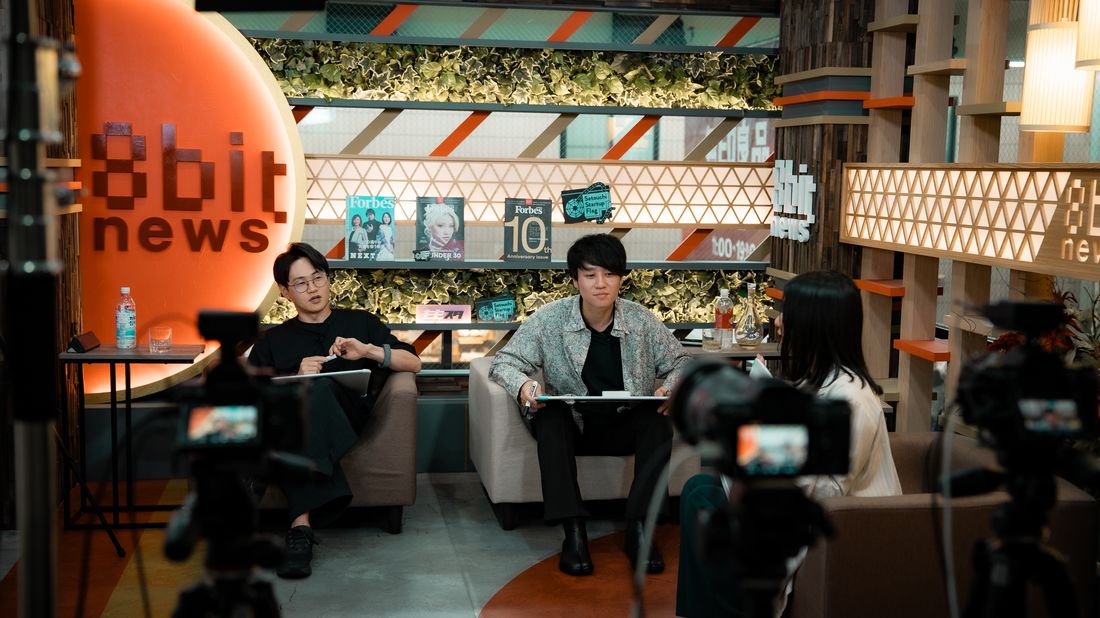
Kamai: Yes, last time we said it was our last time in Nogizaka, and we were sitting on the floor. But now we are broadcasting from the Omotesando studio. For this first episode here, our theme is: “I want to be an active bystander.”
Kurobe: Active bystander?
Kamai: Yes, what is that?
Kamai: This refers to a third party—neither the victim nor the perpetrator—who witnesses harassment or inappropriate behavior and chooses to take action, rather than just being a passive onlooker.
Kamai: For example, if I see Mutsumi-chan being subjected to some kind of harassment, instead of just thinking “that’s not right” and staying silent, I would take some action. I might say, “Wait, isn’t that harassment?” or report it to the appropriate place. It means taking some kind of action, and this concept is gradually spreading.
Kamai: I think it’s a wonderful concept, and having such people in our workplace or community would be very reassuring. At the same time, as we’ve discussed before, it can be quite difficult in practice.
Kurobe: We’ve actually talked about this quite a bit, haven’t we?
Kamai: Yes, we have.
Kurobe: Like, how to express that you’re uncomfortable, or what to do at a drinking party when you can’t laugh at a joke. We’ve discussed various scenarios.
Kamai: Exactly. While we feel the importance of speaking up, as of the summer of 2026, my current stance is that while I don’t want to remain silent when witnessing harassment, I also want to find a way to resolve it without completely ruining the atmosphere.
Kamai: Of course, one option is to directly confront the perpetrator and say, “That’s wrong, stop it.” In some cases, that is necessary. But looking back, most of the time, people don’t make these comments out of malice.
Kamai: So, I want to find a way to gently make them realize it, or at least leave them with a slight feeling of “Wait, did I say something inappropriate?” when they go home. That’s the kind of approach I’m searching for. Mutsumi-chan, we’ve been discussing this theme since around 2024, and your own perspective has probably evolved. What kind of active bystander do you want to be?
Kurobe: I completely understand. Doing nothing is not an option, but not wanting to ruin the atmosphere is also very relatable.
Kurobe: It’s difficult, isn’t it?
Kurobe: There is a way to intentionally disrupt the atmosphere, which is also good. But from my own perspective, I also don’t want people to dislike me. That’s an honest feeling.
Kurobe: So, while trying not to ruin the mood, I tend to think of pointing it out in a funny way. Recently, my personal trend for this spring and summer has been using my face.
Kamai: Your face? For example?
Kurobe: For example, I don’t know if I’m doing it consciously or unconsciously, but when I think “Huh?”, I probably make a strange face.
Kamai: I see.
Kurobe: I make a face that clearly says “What?” without actually saying it.
Kamai: Does that get conveyed to the person speaking?
Kurobe: Sometimes it does. But even if it doesn’t reach the speaker, it shows the people around us that I’m uncomfortable with what was said.
Kamai: I won’t go into details, but when we were in a large group, I have definitely seen you make that kind of face.
Kurobe: Right? It’s mostly unconscious, but I think I’ve trained myself to react that way unconsciously. That’s the best I can do right now.
Kamai: That’s actually a good approach. It shows the people around you, “I don’t agree with this, I’m not going along with this atmosphere.”
Kurobe: Words can sometimes carry too much weight, and people interpret them differently. Saying “Stop it” might sound too harsh to some, while a light-hearted joke might not get the point across. Because words can be tricky, I use my face.
Kamai: I understand. And I think it’s quite effective. Recently, we looked at the analytics for our channel to see who is watching. We found that rather than women of our own generation, we have a lot of older male viewers.
Kamai: We wondered why they are watching, and we hypothesized that it’s because we don’t use harsh words to criticize each other or society. Because we don’t aggressively attack, it might be easier for them to listen to us.
Kamai: So, while there are many ways to intervene, the method that suits us best is probably to convey things gently and without hostility, while still signaling our discomfort. That connects back to what we wanted to discuss today.
Kurobe: By the way, Kamai-san, what kind of action do you usually take?
Kamai: For me, I tend to laugh while saying, “Wait, isn’t it actually like this?” I gently poke at it.
Kurobe: I see.
Kamai: Given my personality, I tend to interact with people in a slightly casual, friendly way, regardless of whether they are older or younger. So it’s easier for me to say, “No, no, that’s not right,” in a joking manner.
Kamai: That’s the best I can do right now. Some people might be able to say seriously, without smiling, “That’s not correct.” But if I did that, the contrast with my usual personality would be too strong, and it might come across as too aggressive. So I choose this way, though I don’t know if it’s the “correct” answer.
Kurobe: Actually, when you weren’t around, I heard someone say, “I said something like that, and Kamai-san called me out on it,” and they were reflecting on their behavior.
Kamai: Really?
Kurobe: It definitely got through to them. They weren’t angry; they were just like, “Ah, she called me out on it.” It was conveyed in a very balanced way.
Kamai: I see. That person must be a very nice person too. Instead of getting defensive and thinking “Who does she think she is?”, they took it constructively. I’m very grateful for that.
Kurobe: Yes, it was great.
Kamai: Thank you.
Kurobe: I really like your gentle call-outs.
Kamai: Really? Do I do that when I’m with you?
Kurobe: Yes. It’s not necessarily directed at the person who made the comment, but after an inappropriate remark, you might say in a voice loud enough for others to hear, “Wait, why did they phrase it like that?” It’s quite funny.
Kamai: Did I say that?
Kamai: I see.
Kurobe: I think that helps people. For those who felt uncomfortable but wondered if they were the only ones, hearing you say that validates their feelings.
Kamai: I’m glad. But as you mentioned, even if it doesn’t reach the speaker directly, showing your reaction to the people around you is important.
Kamai: There is also a fear of being judged. You might worry, “She talks about these things, but when something actually happens, she does nothing.” There’s a risk of being seen that way. While I want to be someone who can speak up, I also worry about how I am perceived.
Kurobe: I feel the same way. When I can’t find the right words, I can always use my face because it reacts instantly. Facial expressions have great reaction speed.
Kamai: You really have very expressive facial muscles. It’s great.
Kurobe: It’s also funny, so it’s easy for others to point out. If I make a weird face, someone might say, “Kurobe-san, you look like you don’t agree!” and that passes the turn to me to speak up.
Kamai: Ah, so your face acts as a medium to invite others to ask you about it.
Kurobe: Yes, my face is the media! It communicates my thoughts.
Kamai: That’s true. For those who meet Mutsumi-chan in person, please watch her face closely. She silently makes all kinds of expressions.
Kamai: Even outside of being an active bystander, you make various faces when no one is looking, right?
Kurobe: Yes, my face is always moving. Even when I’m texting, I make the same face as the emoji I’m sending. Even at the station, I’m probably smiling or looking angry by myself.
Kamai: That’s hilarious. But it really helps people.
Kamai: So, please keep an eye on Mutsumi-chan’s expressions, and check out our past episodes too. Whether it’s questioning something, making a face, or gently calling someone out, these small actions can change the flow of a conversation.
Kamai: I hope everyone can casually try these approaches in their own way.
Kurobe: Yes, let’s casually try.
Kamai: Mutsumi-chan uses her face, and I use gentle call-outs.
Kamai: This theme is something we will probably continue to explore. Our perspectives have changed compared to two years ago, and they will likely continue to evolve.
Kurobe: Yes, looking back at our answers from two years ago, they seem a bit naive now.
Kamai: Exactly. In two years, we might look back at today’s episode and think the same. So we’ll keep recording our journey. See you next week!
Kurobe: Thank you!