Key Points
- Evacuation orders were finally lifted for central districts of Futaba Town, the last municipality to have its restrictions partially removed since the 2011 nuclear disaster.
- Despite the official reopening, only a tiny fraction of the original population has returned, with many citing a severe lack of daily infrastructure, commercial facilities, and medical services.
- Local residents express deep anxiety over the town’s long-term survival, pointing to an aging demographic and the difficulty of attracting young families back to the area.
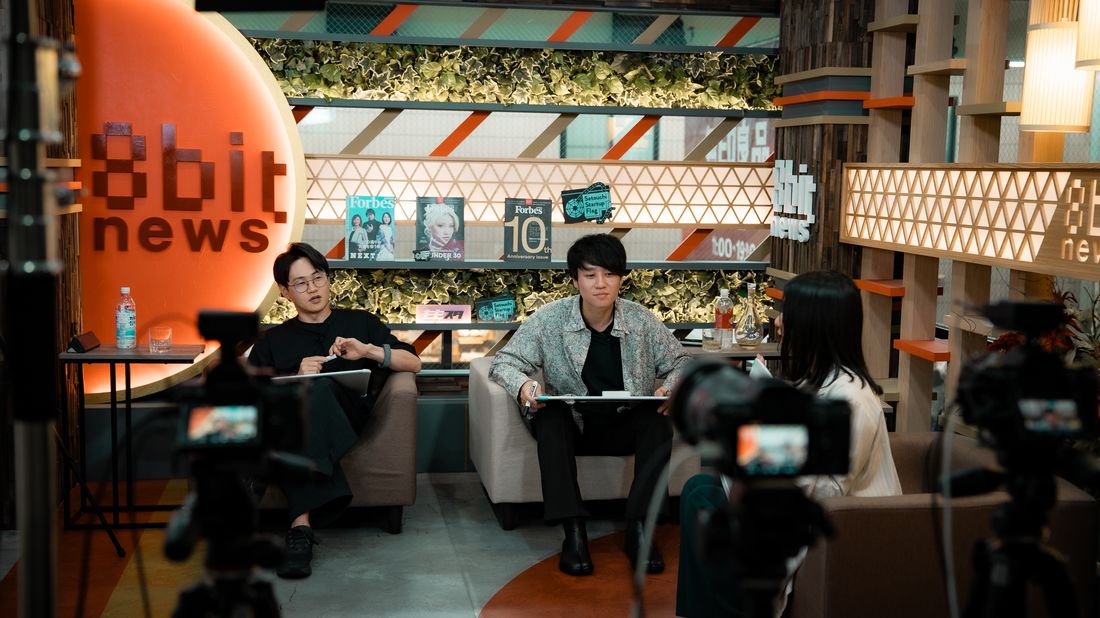
- Independent outlet 8bitNews highlights the stark gap between official government recovery narratives and the lived reality of Fukushima’s displaced communities.
Full Transcript (English)
Host (Jun Hori): I am standing here in front of Futaba Station in Futaba Town, Fukushima Prefecture. It has been over twelve years since the Great East Japan Earthquake and the subsequent disaster at the Fukushima Daiichi Nuclear Power Plant. Finally, the evacuation orders for the central district around the station have been lifted, allowing residents to return and live here permanently. However, as I look around, the streets remain largely quiet, and many residential plots stand empty. Today, we speak with one of the few residents who decided to return, to understand the reality of this “reconstruction.”
Resident (Yoshio Tanaka): When the government officially announced that the evacuation orders were lifted, I felt a mix of relief and deep confusion. My original home was heavily damaged and contaminated, so it had to be demolished. I decided to rebuild a small house here because of my attachment to my hometown. But the reality of living here now is very tough. There are no supermarkets nearby, no clinics, and almost no young people. It is very difficult to call this a true recovery.
Host (Jun Hori): The government has built new public housing and a business incubation center near the station to attract new residents and industries. However, for those who spent more than a decade evacuating and building new lives elsewhere, returning is a massive hurdle.
Resident (Yoshio Tanaka): Most of my former neighbors have decided not to come back. Their children go to school in cities like Iwaki or even Tokyo now, and they have established new roots there. It is mostly us, the elderly, who have returned. But without young families and children, I worry about what will happen to this town in another ten years. Will it just disappear?
Host (Jun Hori): This is the core issue. While physical infrastructure like roads, station buildings, and public facilities are being rapidly constructed, the social fabric of the community remains completely severed. Independent media must continue to look past the clean, newly built facades and report on whether this reconstruction is truly serving the people, or if it is merely a political showcase. We will continue to bring you updates directly from the ground here in Fukushima.