Key Points
- NPO Iki-Iki Club in Odate City, Akita Prefecture, is pioneering a community model that links social participation to increased healthy life expectancy.
- The organization operates a “paid volunteer” system where elderly residents support each other with daily tasks like snow removal and transportation, fostering a sense of purpose and mutual aid.
- Occupational therapist Akihito Sakuraba argues that “Social Capital”—the strength of human connections—is a vital supplement to traditional social security systems in an aging society.
Full Transcript (English)
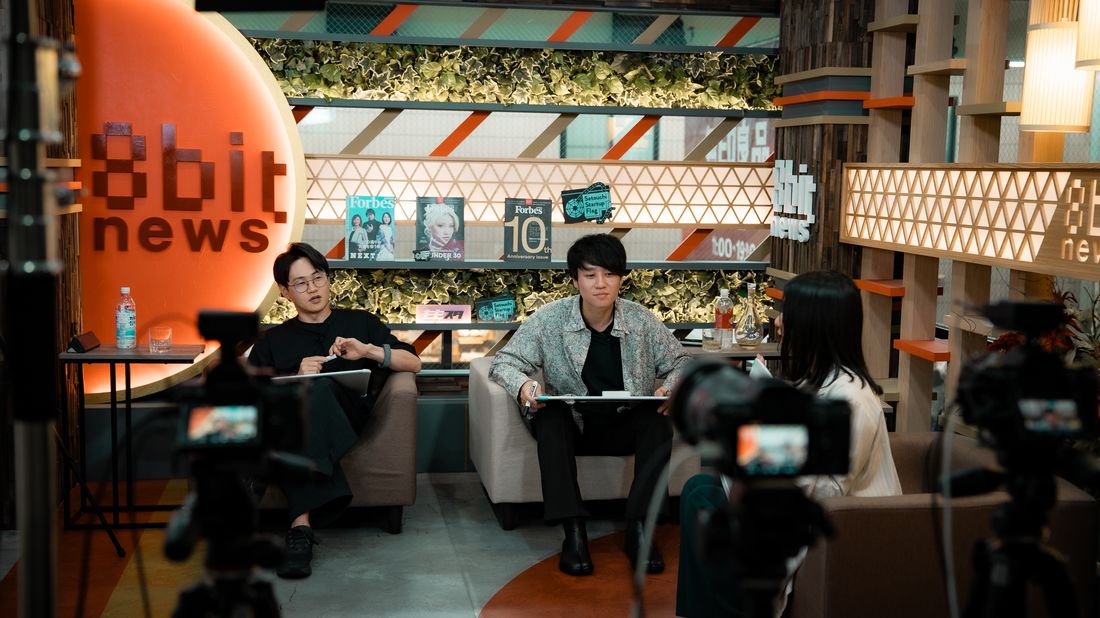
Host (Kaoru Osawa): Good evening, everyone. This is Odate Times, brought to you from 8bitNews Hachi-Sta. Under the theme “Odate’s challenges are the world’s challenges,” we dive deep into specific topics with individuals taking action here in Odate. These regional issues are not unique to this city; they are shared by Akita Prefecture, other rural areas, and will eventually face major metropolises and the world. By exploring these themes deeply, we aim to broaden the discussion. Our guest today is Akihito Sakuraba, the representative of the NPO Iki-Iki Club. Thank you for joining us.
Guest (Akihito Sakuraba): Thank you for having me. At Iki-Iki Club, we primarily focus on the elderly. We run a “salon” which serves as a gathering place for social interaction and events. Another core part of our work is “paid volunteering.” Within our NPO membership, we match people who want to volunteer with those who need help with daily life. Those who provide assistance receive a small stipend. It is a system built on mutual support among members.
Host: I am looking at your website now. It says, “A region that supports each other vibrantly.” So, it is not just a service provided to seniors, but rather members helping one another as volunteers?
Guest: That is correct. While I plan events, many members also run their own projects. For everyday struggles like snow removal, weeding, or housework, we ask members who are capable to help out. Currently, we see a high demand for transportation assistance to hospitals, especially for those who have returned their driver’s licenses. While some might ask if this is an unlicensed taxi service, we operate safely within the legal frameworks established by the government for mutual aid among organization members.
Host: You were originally an occupational therapist, correct?
Guest: Yes, this is my 16th year since getting my license. I spent 15 years working in hospitals, day services, and home-visit nursing. Through that experience, I felt that public long-term care insurance alone could no longer fully support everyone. I realized there are many challenges that can be solved through “neighborly mutual aid” (gojo). Since Odate still lacked such systems, I decided to start this myself last year.
Host: What have you noticed since starting this practice?
Guest: I have gained a new perspective. Everyone has struggles, but many people tend to hold back and not voice them. By taking the time to engage in deep dialogue with residents, we can uncover the real underlying issues that were previously invisible. Our salon events, like magic shows or massage sessions, provide a “non-routine” experience that encourages people to go out, socialize, and feel stimulated. This creates an environment where people feel comfortable opening up about their problems.
Host: It seems trust is essential. People are more likely to rely on someone they know and talk to regularly. Your service also seems to have a “hook” for men, who are often harder to engage in community activities.
Guest: Exactly. Nationally, senior men have lower participation rates in community salons. However, many men in their 70s and 80s have spent their lives working. By framing volunteering as a “job-like” activity with a small stipend, it becomes easier for them to participate. This role gives them a sense of purpose.
Host: This model seems very applicable to other regions as society becomes more individualistic. If these hubs spread, people can find help within their own neighborhoods quickly.
Guest: I hope so. When a system of mutual aid exists within a neighborhood, the response to a problem can be very fast. It also gives the person helping a sense of achievement. This brings us to the theme of “Healthy Life Expectancy.” While “frailty” (fureiru) is a popular term now, addressing it requires more than just physical exercise. You need a social purpose. If you exercise just to get healthy but have no place to go or role to play, you will eventually decline again. Social participation provides the necessary motivation.
Host: I have a personal story about my grandmother. She was incredibly independent—once she even cleaned up her own blood after a fall before calling for help. She stayed healthy because she did everything herself. But once she reached a point where she had to rely entirely on services, and her roles like doing laundry were taken away, she declined very rapidly. It made me realize that doing things for oneself is vital for health.
Guest: That is a very important point. It might sound provocative, but some people actually get worse because they rely solely on insurance services. When you stop doing what you can do, you lose your role and your vitality. We need a society where people do what they can for themselves and each other, and only call in professionals for what they truly cannot do. This is where “Social Capital”—the resource of human connection—comes in. Traditional social security focuses on money and facilities, but with a shrinking population, that is not sustainable. We must invest in human relationships. Odate can be a pioneer in this “new social security.”
Host: Do you have a final message for our viewers?
Guest: Whether you are healthy or facing illness, having a role and something to challenge yourself with is the secret to a long, vibrant life. I want to continue building a society where these warm human connections are nurtured. I hope viewers feel inspired to think about their own community connections.
Host: Thank you so much. We will continue to talk with practitioners in Odate. Odate Times airs on Friday nights. See you next time!